
Why Easy-to-Set Limit Switches Matter in Electric Linear Actuators
6th Mar 2026
Why Easy-to-Set Limit Switches Matter in Electric Linear Actuators
In modern bulk material handling and industrial automation, electric linear actuators play a critical role in controlling equipment such as slide gates, diverters, valves, and other process components. These devices convert electrical energy into controlled linear motion, allowing operators to automate movements that were once performed manually or with pneumatic systems.
Among the most important, but often overlooked, features of a high-quality actuator is the limit switch system. Specifically, actuators with easy-to-set limit switches provide significant advantages in installation, maintenance, safety, and long-term operational reliability.
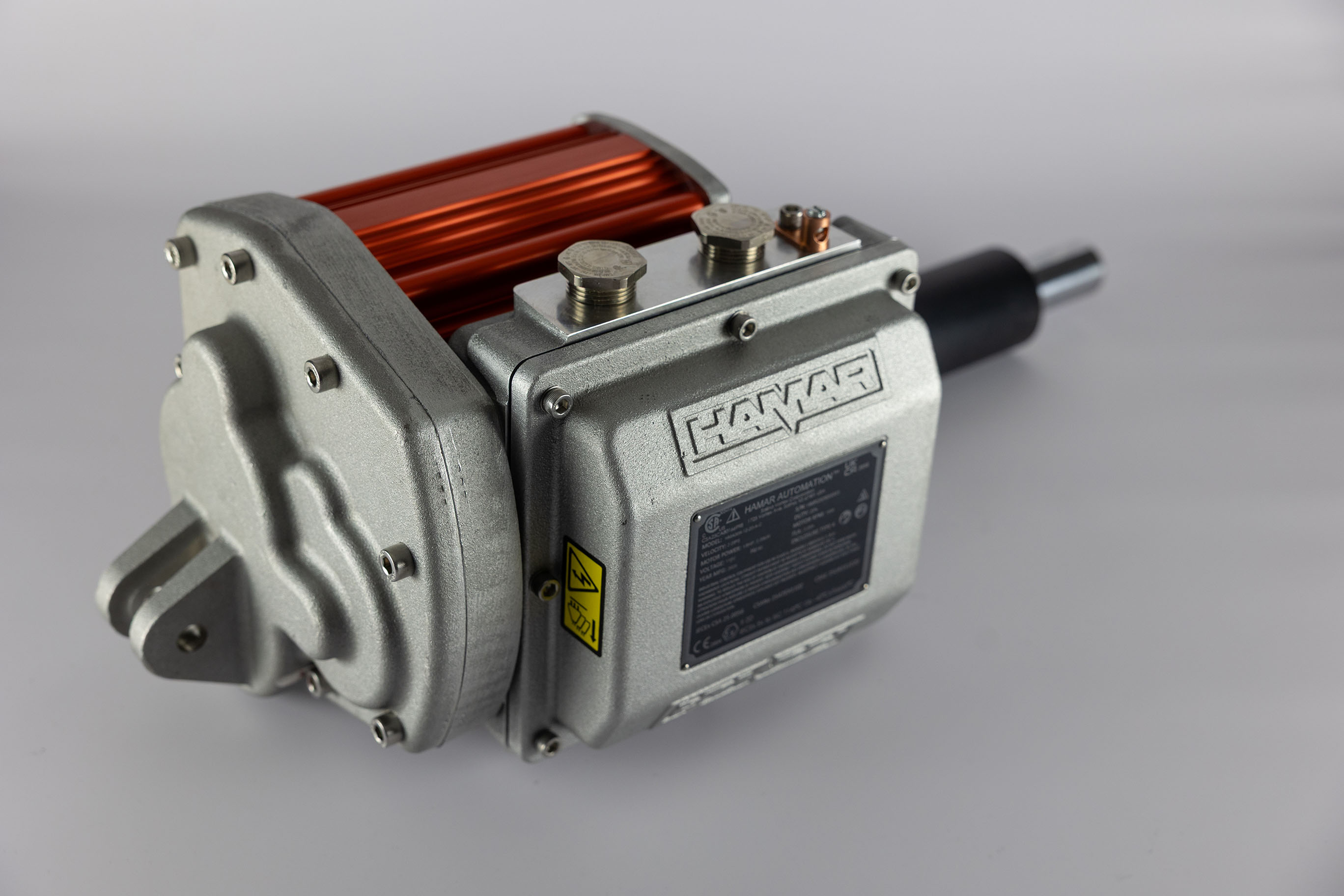
This is particularly true for systems like the Hamar electric linear actuator, which are commonly used in demanding industrial environments where precision, durability, and ease of adjustment are essential.
The Role of Limit Switches in Linear Actuators
Limit switches define the end points of actuator travel. When the actuator reaches either the fully extended or fully retracted position, the switch automatically cuts power to the motor, stopping movement at the correct position.
Without properly functioning limit switches, an actuator could:
- Attempt to drive beyond its mechanical limits
- Stall against hard stops
- Damage internal components such as gears, motors, or lead screws
- Cause damage to the equipment being controlled
In other words, limit switches are the actuator’s built-in protection system.
For industrial operations where equipment cycles thousands of times per day, reliable limit control is not just helpful, it is essential.
Why Easy Adjustment Is Critical
In real-world installations, the required actuator stroke often does not perfectly match the actuator’s maximum travel length. Equipment tolerances, installation differences, and operational requirements frequently require small adjustments.
If limit switches are difficult to access or complicated to adjust, several problems can occur:
- Longer installation time
- Trial-and-error adjustments
- Increased downtime during commissioning
- Difficulty making changes later
Easy-to-set limit switches eliminate these issues by allowing technicians to quickly dial in the correct positions during installation or maintenance.
For example, when controlling a slide gate or diverter valve, operators may want the actuator to stop exactly at the fully sealed position, rather than at the full mechanical stroke. Precise adjustment ensures proper sealing while preventing unnecessary stress on the system.
Benefits of Easily Adjustable Limit Switches
Choosing an actuator with simple, accessible limit switch adjustment offers several practical advantages.
Faster Installation
Technicians can quickly set the extension and retraction points without disassembling the actuator or performing complicated calibration procedures. This reduces commissioning time and labor costs.
Improved Equipment Protection
Accurately set limit switches ensure that actuators stop exactly where they should. This prevents excessive loading on gates, valves, and structural components.
Easier Maintenance
Industrial systems evolve over time. Equipment may be upgraded, gates may be replaced, or process requirements may change. Easily adjustable limit switches allow maintenance teams to make quick modifications without replacing the actuator.
Reduced Downtime
When adjustments can be made quickly and externally, service technicians can fine-tune actuator performance without lengthy shutdowns.
The Hamar Electric Linear Actuator Advantage
The Hamar electric linear actuator is designed with industrial usability in mind. In material handling environments, such as cement, lime, mining, agriculture, and other bulk solids industries, equipment must be reliable, easy to service, and adaptable to different installations.
One of the key design considerations is simple, user-friendly limit switch adjustment.
This approach provides several advantages:
- Quick setup during installation
- Precise travel control for gates and valves
- Reduced risk of over-travel and mechanical damage
- Minimal downtime when adjustments are needed
Because bulk handling systems often operate in dusty, high-cycle environments, reducing maintenance complexity is a major operational benefit.
Precision Control in Bulk Material Handling
In industries that move large volumes of dry bulk materials, flow control is essential. Slide gates, diverters, and other components must open and close precisely to maintain process efficiency and prevent material loss.
An actuator with easy-to-set limit switches allows operators to fine-tune positions so that equipment:
- Opens fully when required
- Closes tightly to prevent leakage
- Stops without unnecessary stress on mechanical components
This level of control helps improve both process efficiency and equipment longevity.
Choosing the Right Actuator
When selecting an electric linear actuator for industrial applications, it is easy to focus only on specifications such as thrust, stroke length, or voltage. While these factors are important, the ease of limit switch adjustment should also be a key consideration.
An actuator that simplifies installation, adjustment, and maintenance can provide significant operational value over its lifetime.
The Hamar electric linear actuator exemplifies this approach by combining industrial performance with practical features that make setup and operation easier for technicians and operators alike.
Conclusion
Limit switches are a fundamental component of any electric linear actuator, protecting both the actuator and the equipment it controls. However, the ability to easily adjust those switches can make a major difference in real-world industrial applications.
By choosing actuators designed with accessible and simple limit switch adjustment, such as the Hamar electric linear actuator, operators can benefit from faster installation, improved equipment protection, and reduced downtime.
In demanding bulk material handling environments, these advantages translate directly into greater reliability, efficiency, and long-term value.